
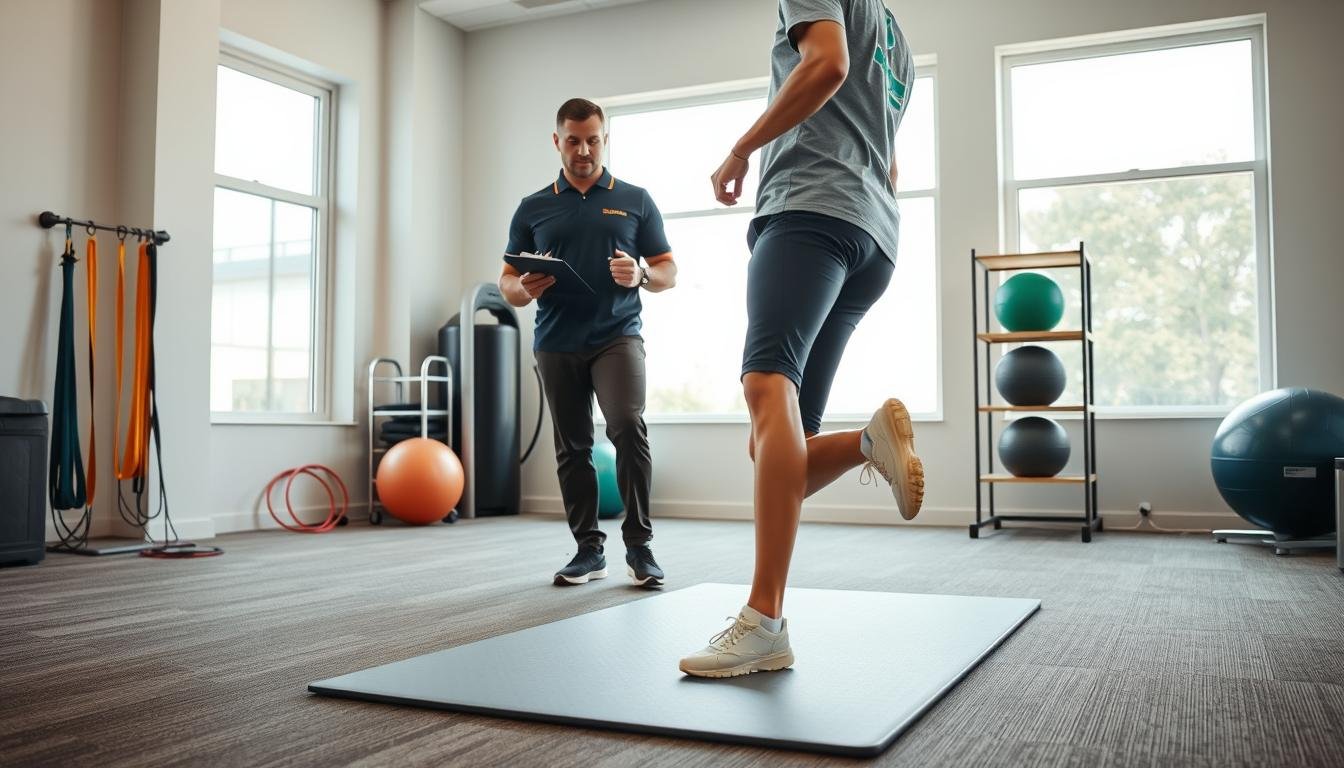
Imagine standing on the edge of the field, heart racing, ready to return to the sport you love after an ACL injury. You’ve followed the ACL rehab is not only about physical recovery; it also emphasizes the importance of mental preparedness. During the final stages of ACL rehab, athletes must assess their psychological readiness alongside their physical capabilities. This dual focus ensures that they are equipped to handle the demands of their sport. Furthermore, mastering landing mechanics is a critical aspect of ACL rehab, as it significantly reduces the risk of reinjury. Therefore, understanding these components is essential for a successful transition back to competition. Ultimately, the journey through ACL rehab is a comprehensive process that prepares athletes both mentally and physically. plan meticulously, but the final stages of recovery can feel daunting. It’s not just about physical healing; your mind plays a crucial role too. Psychological readiness and landing mechanics are vital components in the ACL rehabilitation protocol. Studies reveal that athletes who focus on these areas during their ACL surgery recovery experience higher success rates and lower chances of reinjury.
Understanding the specific criteria for psychological readiness and landing mechanics helps you grasp the complexity of anterior cruciate ligament rehabilitation. It’s about more than just time; it’s about meeting essential benchmarks that ensure you are fully prepared for a safe return to sport. In this section, you will explore the critical assessments that guide your journey toward a successful comeback.
Key Takeaways
- Psychological readiness is crucial for a safe return to sport.
- Landing mechanics are assessed to prevent reinjury.
- Criteria-based rehab protocols improve recovery outcomes.
- Understanding benchmarks is essential for ACL surgery recovery.
- Successful ACL rehab involves both mental and physical preparation.
Why Is Psychological Readiness Crucial in ACL Rehab?
Psychological readiness plays a vital role in your ACL rehab journey. It affects your confidence, motivation, and ability to return safely to sports or daily activities. Understanding your mental preparedness can make a significant difference in your recovery process.
Defining psychological readiness involves recognizing your mental state regarding performing movements without fear of reinjury. This readiness is essential for progressing through ACL physical therapy exercises effectively.
How Do You Define Psychological Readiness?
Psychological readiness can be defined as your mental ability to engage in physical activities post-injury. It includes:
- Confidence in your knee’s stability
- Willingness to participate in physical activities
- Ability to manage fear of reinjury
What Are Common Psychological Assessments Used?
Several assessments help evaluate your psychological readiness during ACL rehab. These include:
| Assessment Tool | Purpose |
|---|---|
| ACL Return to Sport after Injury (ACL-RSI) | Measures confidence and emotions regarding return to sport |
| Knee Activity Self-Efficacy Scale (KA-SES) | Assesses confidence in performing daily activities |
| Tampa Scale for Kinesiophobia (TSK-11) | Evaluates fear of movement and reinjury |
How Can You Enhance Your Mental Readiness?
Improving your mental readiness is crucial for a successful post-ACL reconstruction rehab. Consider these strategies:
- Practice mental imagery to visualize successful movements
- Gradually expose yourself to sport-specific tasks
- Seek psychological support as part of your therapy
What Role Do Landing Mechanics Play in ACL Rehab?
Landing mechanics are essential in your ACL rehab journey. They help assess how well you control your knee and lower limb during activities like jumping and cutting. Understanding these mechanics can significantly reduce your risk of reinjury. Evaluating landing mechanics helps identify any compensatory patterns or biomechanical deficits that may arise after an ACL tear.
Why Are Landing Mechanics Evaluated in ACL Rehab?
Evaluating landing mechanics is crucial for several reasons:
- Identifies compensatory movement patterns.
- Assesses neuromuscular control.
- Reduces the risk of reinjury.
- Enhances overall functional performance.
What Specific Techniques Are Observed?
During your ACL tear rehabilitation program, specific techniques are used to evaluate landing mechanics. These include:
- Step and Hold Test: Assesses balance and stability.
- Single Leg Squats: Evaluates knee alignment and control.
- Drop Vertical Jumps: Measures trunk and hip stability during landing.
By focusing on these techniques, you can improve your landing mechanics through targeted ACL strengthening exercises. Mastering these skills helps to reduce stress on your healing ligament and supports a successful return to sports.
How Can You Evaluate Your Progress in ACL Rehab?
Evaluating your progress in ACL rehab is crucial for a successful recovery. It helps ensure you meet the necessary milestones for a safe return to activity. Understanding key performance indicators will guide you through your ACL injury recovery timeline.
What Are Key Performance Indicators for ACL Rehab?
Key performance indicators help assess your recovery. They include:
- Strength symmetry: Compare strength between limbs using tests like the 1-repetition maximum leg press.
- Hop tests: Evaluate power and agility through various hopping exercises.
- Neuromuscular control: Use tests like the Y-balance test to measure balance and coordination.
- Psychological readiness: Assess your mental preparedness for returning to sports.
How Frequently Should You Monitor Your Progress?
Regular monitoring is essential throughout your ACL rehab phases. Aim to check your progress:
- At the end of each rehab phase.
- Monthly, depending on your individual recovery timeline.
What Resources Can Assist in Your Evaluation?
Utilizing the right resources can enhance your evaluation process. Consider the following:
- Functional performance tests: These help assess your readiness for activities.
- Patient-reported outcome measures: Tools like the International Knee Documentation Committee (IKDC) form provide valuable insights.
- Guidance from your physical therapist: Their expertise can help you track your recovery effectively.
What Are the Next Steps After Completing ACL Rehab?
Completing your ACL rehab is a significant milestone, but it is just the beginning of your journey. The next steps are crucial for ensuring a safe return to sport and maintaining your knee health. You need to focus on specific criteria that indicate you are ready to resume athletic activities.
When Is It Safe to Return to Sport?
It is generally safe to return to sport when you have met objective criteria. These include achieving at least 95% strength symmetry in your legs, demonstrating proper landing mechanics, and having the psychological readiness to compete without fear or hesitation. Meeting these standards is essential for your long-term success in sports.
How Do You Maintain Strength and Endurance Post-Rehab?
Maintaining strength and endurance after your post-ACL reconstruction rehab is vital. You should continue with ACL strengthening exercises, agility drills, and cardiovascular conditioning tailored to your specific sport. This ongoing effort will help you stay fit and prevent future injuries.
What Follow-Up Care Is Recommended After ACL Rehab?
Follow-up care is an important aspect of your ACL rehabilitation protocol. Regular check-ins with your healthcare provider or physical therapist can help monitor your knee function. They can also assist in addressing any emerging issues and guide you in injury prevention programs. This structured approach supports your long-term athletic performance and overall knee health.